Carriage House Garage Doors
Clopay carriage house garage doors combine two of the most commonly desired elements of residential garage doors – the rustic charm of the carriage house and the modern convenience of an overhead-opening garage door. Whether you are seeking the perfect match for new construction or simply replacing existing garage doors, carriage house style can be the perfect way to incorporate your personal taste into your home’s exterior while also enhancing curb appeal.
Garage Doors (13)
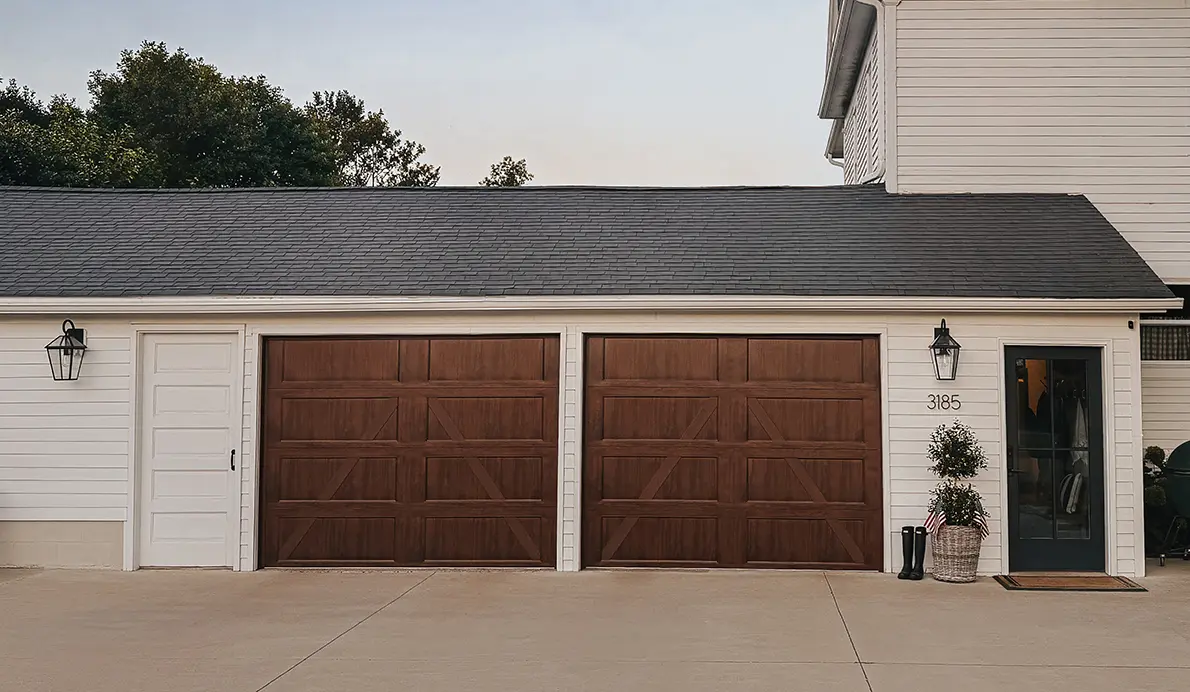
Bridgeport™ Inlay
Clean, simple recessed panel design combined with classic carriage house detailing

 + 14

Canyon Ridge® Elements
Textured overlays paired with clean, square edges and durable insulated steel gives you the look of painted wood without the upkeep

 + 4

Canyon Ridge® Chevron
Insulated faux wood garage doors with a classic chevron design

 + 9

Insulated carriage house garage doors with faux wood composite cladding and overlays
+ 9

Stylish, low maintenance and insulated faux wood garage doors
 + 9

Canyon Ridge® Louver
Versatile and unique, plantation style Louver doors

 + 9

Coachman®
The perfect blend of beauty and practicality, these doors are crafted of durable steel and insulation topped with a textured composite overlay
 + 14

Grand Harbor®
When budget is the deciding factor, this low-maintenance, insulation-optional steel frame carriage house style garage door combines clean lines and classic charm
 + 2

Gallery® Steel
Grooved panel steel carriage house garage doors
+ 17

Bridgeport™ Steel
Timeless recessed panel style in durable, modern steel
+ 17

Reserve® Wood Semi-Custom
Let the lasting beauty of a natural wood door welcome you home

 + 8

Reserve® Wood Limited Edition
Exceptional beauty, durability and energy efficiency
+ 8

Reserve® Wood Custom
Both stunning and substantial, every Reserve® Wood garage door embodies our total commitment to design, detail and craftsmanship
Frequently Asked Questions About Carriage House Garage Doors
Carriage house garage doors combine historic architectural charm with the convenience and reliability of modern overhead engineering. Whether you are looking to upgrade your home’s curb appeal or complement a craftsman or modern farmhouse aesthetic, exploring carriage style doors is an excellent place to start.
Below are answers to the most common questions homeowners ask when considering carriage house garage doors.
What Makes a Carriage House Garage Door?
A carriage house garage door—often referred to as a carriage style garage door or barn style garage door—is defined by an architectural aesthetic rooted in history. Originally designed for 19th-century outbuildings used to store horse-drawn carriages, these doors were historically double doors that swung open from the center.
Today, “carriage house” describes a distinct design language rather than a specific building material or swinging operation. Key characteristics include:
- Distinctive Panel Layouts: Historic motifs such as crossbuck bracing or diagonal V patterns.
- Decorative Hardware: Exterior handles and decorative strap hinges that evoke classic forged ironwork.
- Architectural Windows: Top-section window grilles or arched windows.
- Wood-Inspired and Painted Finishes: Rich woodgrain textures, warm stains, or clean painted tones that accentuate exterior trim.
While original 19th-century doors were crafted strictly from timber, modern carriage doors are available in steel, composite, and natural wood, allowing homeowners to capture classic charm without sacrificing modern durability.
Do Carriage House Garage Doors Swing Out or Open Overhead?
Modern carriage house garage doors typically open up and overhead, just like standard sectional garage doors.
While traditional carriage house doors were side-hinged and swung outward into the driveway, Clopay’s residential carriage house doors are engineered in horizontal sections. When activated by an automatic garage door opener, the sections roll smoothly upward along a ceiling track.
- The Illusion of Swing: Exterior decorative strap hinges, corner brackets, and center pull handles create the authentic visual impression of two independent doors that swing out from the center.
- Everyday Practicality: Because the door travels upward rather than swinging outward, you won’t lose usable driveway clearance.
If you are replacing an older door or outfitting a new build, a local professional garage door dealer can inspect your garage ceiling clearance, track placement, and opener compatibility to ensure a seamless installation.
What Materials Are Carriage House Garage Doors Made From?
Carriage house doors are crafted from a variety of materials to suit different architectural priorities, climate conditions, maintenance preferences, and budgets. The primary material categories include:
| Material | Key Characteristics | Aesthetic Profile | Maintenance Level |
| Natural Wood | Handcrafted from premium lumber species (such as Cedar, Redwood, or Fir). | Unmatched natural grain depth, organic warmth, and architectural authenticity. | Requires routine inspection, staining, or painting to protect against weathering. |
| Faux Wood Composite Overlays | Durable composite cladding and overlays molded from real wood boards, bonded to an insulated steel core. | Exceptional realism mimicking natural wood grain, with deep architectural dimension. | High resistance to moisture, rot, and cracking; lower surface upkeep than solid wood. |
| Steel with Wood-Look or Painted Finishes | Sturdy steel construction featuring woodgrain textures. | Crisp panel profiles, clean painted aesthetics, or realistic printed grain patterns. | Low surface maintenance; simple periodic washing and visual inspection. |
Understanding the Options
- Handcrafted Natural Wood: Clopay’s Reserve® Wood doors provide one-of-a-kind character for historic renovations and luxury custom homes.
- Dimensional Composite Cladding: Clopay’s Canyon Ridge® faux wood garage doors have composite overlays that can replicate the look and texture of wood on a durable, insulated steel base that withstands humidity and coastal elements.
- Ultra-Grain® Paint Finishes on Steel: For homeowners seeking low maintenance and value, Ultra-Grain® finishes provide a realistic directional woodgrain look applied directly to a durable steel surface, offering the visual warmth of stained wood without overlay depth.
What Do Carriage House Garage Doors Cost?
The total investment in carriage house garage doors is influenced by several factors:
- Material and Construction: Multi-layer insulated steel doors, composite-clad models, and custom handcrafted timber doors represent premium investments.
- Insulation Type: Upgrading from non-insulated to polystyrene or high-density polyurethane insulation impacts price and energy efficiency.
- Decorative Elements: Window layout, specialty glass (such as frosted, seeded, or insulated glass), decorative iron hardware, and custom paint or stain finishes.
Door-Only vs. Total Installed Price
When reviewing estimates, distinguish between the price of the door itself and the total installed quote. A comprehensive professional quote should clarify:
- Safe removal and environmental disposal of the existing door and track assembly.
- Professional installation of new tracks, heavy-duty springs, drums, and cables.
- Opener reconnection, safety sensor alignment, and weather-seal perimeter installation.
Because pricing is tailored to your home’s opening specifications and chosen design options, consult your local Clopay garage door dealer and request a customized estimate tailored to your needs.
Are Carriage House Garage Doors Available With Insulation?
Yes, carriage house garage doors are available with insulation. Insulating a garage door is especially beneficial for:
- Attached Garages: Helping reduce thermal transfer between the garage and interior living areas.
- Living Spaces Above or Beside the Garage: Dampening street noise and supporting temperature moderation in adjacent rooms.
- Workshops: Maintaining comfort for home gyms, hobby rooms, or climate-controlled storage.
Insulation Types and Thermal Performance
- Polystyrene Insulation: Lightweight foam boards layered between steel skins, offering dependable thermal resistance and improved door rigidity.
- Intellicore® Polyurethane Insulation: A dense foam injected directly into the door cavity, expanding to fill every crevice. This construction provides superior structural strength, quiet operation, and industry-leading thermal efficiency.
Garage door thermal performance is typically indicated by R-value, which measures resistance to heat flow.
What Maintenance Do Carriage House Garage Doors Need?
Carriage house garage doors are engineered for durability, but routine upkeep ensures smooth operation, longevity, and preserved curb appeal. Maintenance requirements vary by material:
- Natural Wood Doors: Natural timber reacts to UV exposure, precipitation, and fluctuating humidity. Inspect the finish annually for signs of peeling, drying, or fading, and recoat or refinish the wood as recommended by the manufacturer.
- Steel and Composite Doors: These materials require significantly less exterior surface upkeep. Wash the exterior panels periodically with a mild household soap and soft cloth to remove dust, road salt, and dirt.
- Perimeter Seals and Hardware: Periodically inspect bottom weatherstripping and perimeter vinyl seals for cracking or brittleness. Inspect exterior decorative hardware to ensure fasteners remain snug.
Important Safety Note: While cleaning panels and lubricating hinges or rollers are safe homeowner tasks, never attempt to adjust, repair, or remove the garage door springs, bottom brackets, or lift cables. These components operate under extreme tension and should always be serviced by a trained, professional garage door technician.
Where Can I Find Carriage House Garage Doors for Sale?
Bringing the timeless look of carriage house doors to your home involves an easy step-by-step path from inspiration to professional installation:
- Design and Visualize Online: Use the EZDoor™ design tool to explore different carriage house collections. Upload a photo of your own home to preview how various panel layouts, window styles, stains, and decorative hardware complement your exterior.
- Consult a Local Clopay Dealer: Your local garage door dealer can visit your home to verify opening measurements, review clearance requirements, discuss wind-load options for your region, and provide an accurate, itemized quote.
Want to learn more about garage door styles?